Real Estate Data API for PropTech Companies
The most granular Real-Time Real Estate Data API. Access 50M+ listings from 1,500+ sources with clean, deduplicated data. Ship in days, not months.
Built for PropTech teams in France and Belgium
99% API uptime • 50M+ properties • Real-time updates
Integrate in Minutes
import requests

try:
    response = requests.get(
        'https://api.stream.estate/documents/properties',
        headers={'Content-Type': 'application/json', 'X-API-KEY': '<api_key>'},
        params={
            'includedDepartments[]': 'departments/77',
            'fromDate': '2020-01-10',
            'propertyTypes[]': '1',
            'transactionType': '0',
            'withCoherentPrice': 'true',
            'budgetMin': '1800000',
            'budgetMax': '1900000'
        }
    )
    response.raise_for_status()
    print(response.json())
except requests.exceptions.RequestException as e:
    print(f"Error: {e}")
Use Cases
Everything you need to ship real estate products, faster.
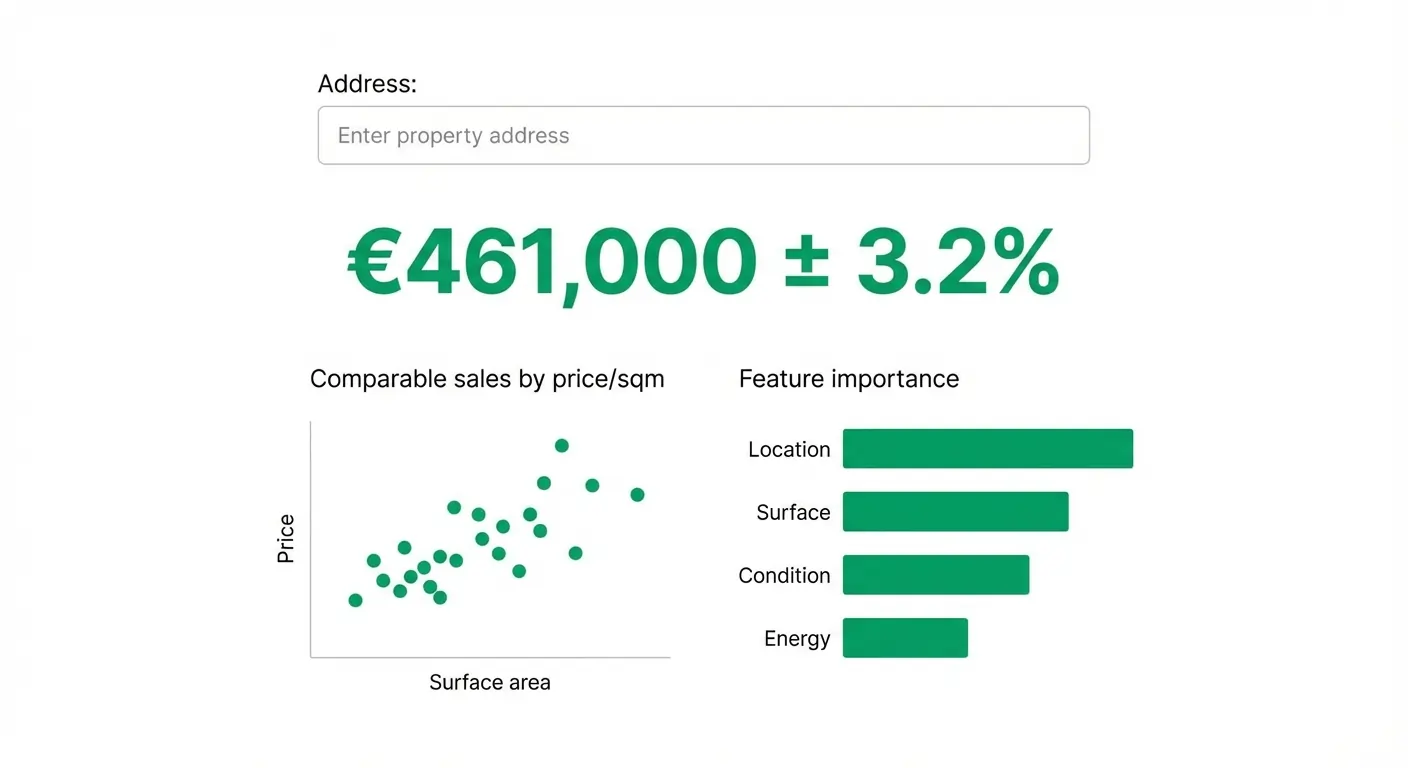
Property Valuation & Advisory
Build AVMs and valuation tools with real-time comparables from 1,500+ sources. Power advisory reports with accurate market data.
Learn more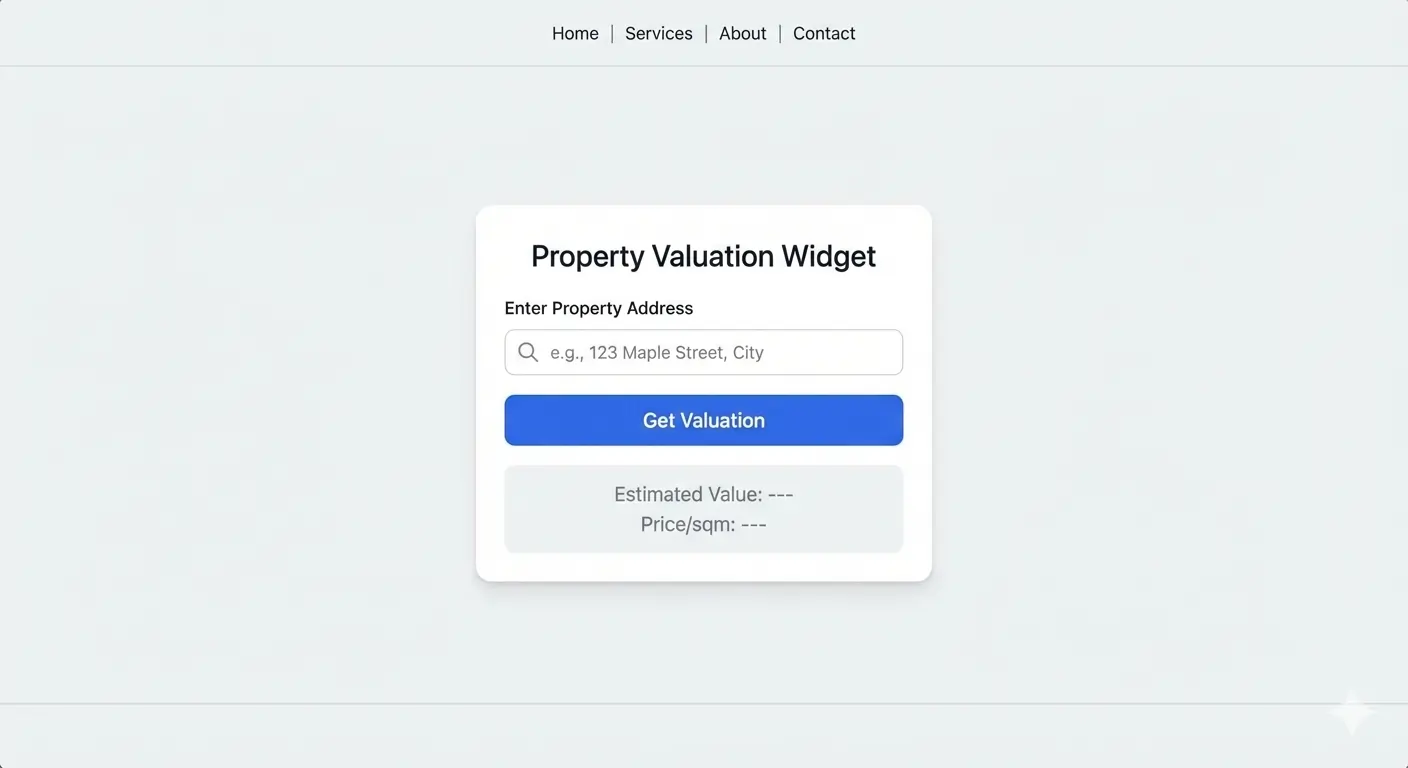
Lead Generation & Conversion
Power valuation widgets and property search engines that capture and convert leads with live listing data.
Learn more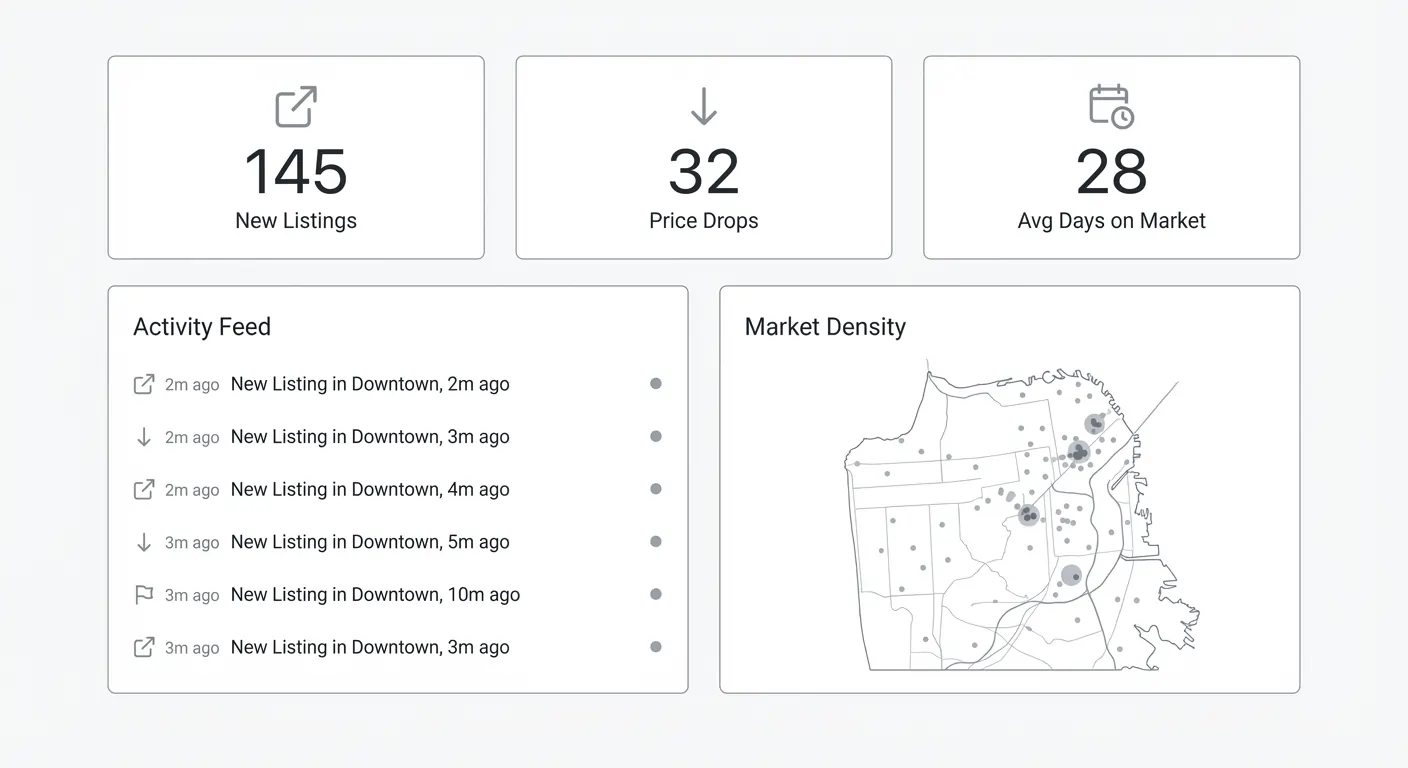
Market Monitoring & Alerts
Track price drops, new listings, and market shifts in real-time. Get instant alerts via webhooks when conditions match.
Learn more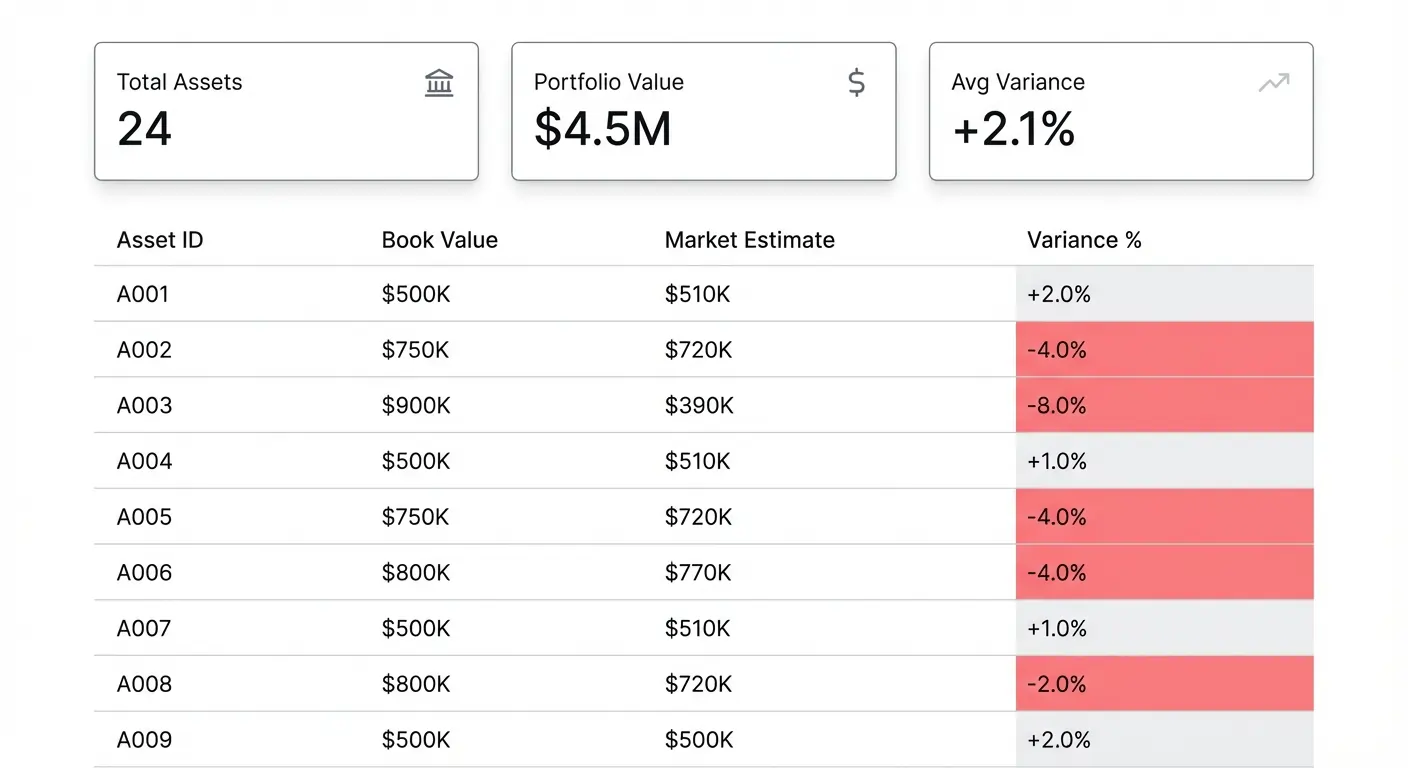
Portfolio Analysis & Risk
Analyze portfolios at scale with bulk property data, historical pricing, and market analytics for smarter investment decisions.
Learn moreBuilt for Performance
Real-time
Access property listings as they hit the market. No more stale data or missed opportunities.
Clean Deduplicated Data
Our advanced algorithms merge multiple listings for the same property into a single, clean record.
Ship in Days, Not Months
Stop burning €200K/year on unreliable scrapers and a dedicated data team. Integrate our API in days and focus your engineers on your product, not plumbing.
Unmatched Data Granularity
Our API provides dozens of structured data points for every property, from GPS coordinates and cadastral references to per-source pricing history.
Ready to power your real estate vision?
€5 in free credits for your first API calls — no commitment